

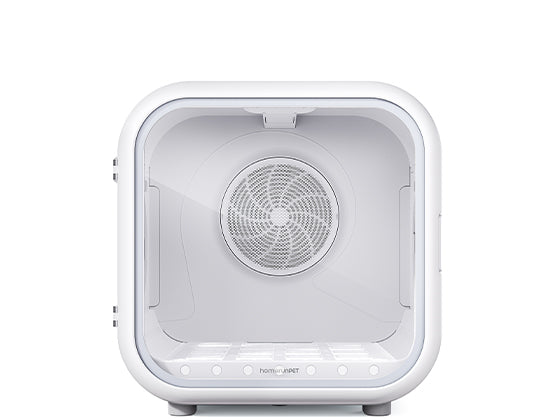
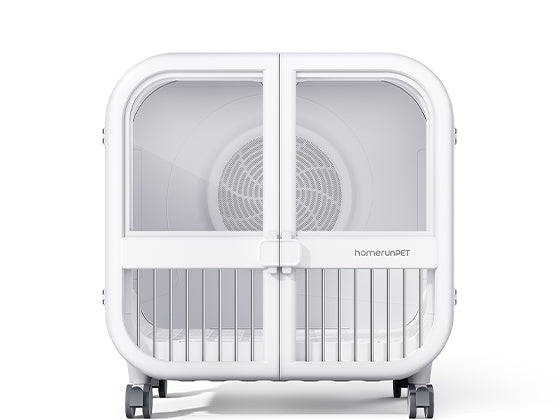
For first-time cat owners, self-cleaning litter boxes eliminate the daily scooping routine while addressing common concerns about setup complexity, safety, and maintenance. The best options for beginners prioritize straightforward assembly, intuitive controls, and reliable safety sensors. homerunPET CS106 stands out with its fully-assembled design, app-guided setup, and auto-refill system that maintains litter levels automatically—requiring only weekly waste drawer emptying for single-cat households. Other top beginner-friendly models include Neakasa M1 Lite Plus for open-top simplicity, Litter-Robot 4 for proven reliability, and PetSafe ScoopFree SmartSpin for budget-conscious new owners seeking minimal complexity.
What Makes a Self-Cleaning Litter Box Beginner-Friendly?
The ideal first-time owner litter box combines simple setup, clear safety features, and low-maintenance operation. Unlike traditional boxes requiring daily scooping, automatic models handle waste removal through timed cycles or sensor-triggered cleaning. For newcomers to cat ownership, three factors determine ease of use: assembly simplicity (pre-assembled vs. multi-step construction), control interface (one-button operation vs. app-dependent functions), and maintenance frequency (how often you empty waste).
Setup Simplicity: The best beginner models arrive fully assembled or require minimal steps. homerunPET CS106 ships ready to use—simply place it, add litter to the fill line, and connect to WiFi through the guided app setup. This contrasts with models requiring 30-45 minutes of assembly with multiple components. First-time owners benefit from color-coded instructions and quick-start guides that get the box operational within 10 minutes.
Safety Features: Modern self-cleaning boxes incorporate multiple protection systems. Dual-sensor technology—combining radar detection and weight sensors—stops cleaning cycles when cats enter. Anti-pinch bumpers prevent injury if cats approach during operation. homerunPET CS106 includes kitten mode for households with young cats, adjusting sensor sensitivity to detect smaller weights. These features provide peace of mind for owners unfamiliar with automatic mechanisms.
Maintenance Requirements: Beginner-friendly models extend the time between manual interventions. Large waste capacity (10-12L) allows 7-14 days between emptying for single-cat homes. Auto-refill systems maintain optimal litter depth without daily monitoring. Odor control through sealed waste drawers and deodorizing systems keeps apartments fresh—critical for first-time owners in smaller living spaces.
Top 7 Self-Cleaning Litter Boxes for New Cat Owners
Best Overall for First-Time Owners: homerunPET CS106
The homerunPET CS106 combines beginner-friendly features with professional-grade performance in an extra-large 106L design. Named CNN's Best Self-Refilling Litter Box of 2026, this model eliminates common first-time owner concerns through comprehensive automation and safety systems.
Key Features: The 4.5L auto-refill reservoir maintains litter levels automatically, while the 12L waste drawer handles up to 14 days for single cats or 7 days for three-cat households. This drastically reduces maintenance frequency compared to daily scooping. The fully-assembled design means new owners simply unbox, add litter, and start—no tools or complex assembly required.
Safety Systems: Radar sensors, weight detection, anti-pinch bumpers, and kitten mode create multiple protection layers. The system operates at under 39dB—quieter than a whisper—preventing stress for nervous cats during adaptation. First-time owners report cats accepting the box within days to weeks when following gradual introduction methods.
App Integration: The companion app provides usage statistics, refill notifications, and remote monitoring—allowing new owners to track their cat's bathroom habits without disturbing the adaptation process. Setup requires a 2.4GHz WiFi network (occasional pairing issues reported but resolved through router settings).
Considerations: The 27×23×28-inch footprint requires dedicated floor space. Proprietary waste bags add ongoing costs. The $699 price point includes a 90-day in-home trial and 12-month warranty, reducing purchase risk for first-timers testing automatic solutions.
Best Open-Top Design: Neakasa M1 Lite Plus
Open-top designs reduce intimidation for cats transitioning from traditional boxes. The Neakasa M1 Lite Plus ($500-600) features visible interiors that help nervous cats feel less confined during initial uses. The transparent design allows first-time owners to monitor their cat's acceptance without opening the unit.
Beginner Advantages: Simple button controls eliminate app dependency. The self-packing waste system compresses refuse, extending time between bag changes. Clumping litter compatibility works with familiar brands, easing the transition for both cat and owner.
Best For: First-time owners with cautious cats, apartment dwellers wanting visibility into the cleaning process, and budget-conscious buyers seeking mid-range pricing.
Best Proven Reliability: Litter-Robot 4
Established brands provide reassurance for first-time buyers uncertain about automatic technology. The Litter-Robot 4 ($699) represents the latest generation of the market's longest-running self-cleaning model, with millions of units sold since its original 2000 launch.
Key Features: The enclosed design contains odors effectively while the sifting system separates waste through rotation. Carbon-filtered waste drawer and night-light feature address common first-time owner concerns about smell and nighttime visibility.
Setup Process: Assembly takes 15-20 minutes with clear instructions. The app provides detailed usage tracking, health insights based on waste frequency, and customizable cleaning cycles. Multi-cat households may benefit from its features for multiple cats.
Best For: First-time owners prioritizing brand reputation, those wanting detailed health monitoring, and buyers comfortable with slightly longer setup processes for proven technology.
Best Budget-Friendly Option: PetSafe ScoopFree SmartSpin
The PetSafe ScoopFree SmartSpin ($400) delivers automatic cleaning at the lowest entry price point for first-time owners. This model uses a rotating rake system rather than full-unit rotation, simplifying the mechanical design while reducing cost.
Beginner Features: Pre-assembled design with one-button operation requires no app or WiFi. The crystal litter system (included) absorbs odors for up to 30 days, though clumping clay remains an option. Transparent waste bin shows fill levels at a glance.
Considerations: Smaller capacity suits single-cat households best. Manual waste bin removal every 2-3 weeks requires more frequent intervention than higher-capacity models. The straightforward design trades advanced features for simplicity—ideal for first-timers wanting basic automation without complexity.
Best For: Budget-conscious new owners, single-cat households, and those preferring manual controls over app-based systems.
Best Multi-Cat Solution: Petlibro Luma
First-time owners adopting multiple cats need systems designed for higher usage frequency. The Petlibro Luma ($500-700) supports up to 10 cats through individual ID tracking, providing health insights for each pet.
Key Features: RFID collar tags identify each cat, logging individual bathroom frequency and duration. The app logs individual bathroom frequency and duration for each cat. Large waste capacity and frequent cleaning cycles handle multi-cat volume without overflow.
Setup Process: Initial setup includes pairing RFID tags with cat profiles in the app—adding 10-15 minutes to standard installation. First-time owners appreciate the health monitoring features that teach them normal bathroom patterns for each cat.
Best For: New owners with 2+ cats, those wanting detailed health tracking, and households where monitoring individual cats matters for medical reasons.
Best No-App Option: Cat Genie A.I.
Tech-averse first-time owners benefit from fully automated systems requiring zero digital interaction. The Cat Genie A.I. operates through physical buttons and indicator lights, eliminating smartphone dependency entirely.
Unique Approach: This model connects to water and electrical lines, washing and drying reusable granules rather than disposing of clumping litter. The self-contained system requires no waste bag purchases—only periodic granule refills and cleaning solution cartridges.
Considerations: Installation requires proximity to water hookup and drain access, limiting placement flexibility. Initial setup involves plumbing connections (professional installation recommended for first-timers). The $500-600 price point includes installation complexity that may challenge some new owners.
Best For: First-time owners wanting set-and-forget operation, those avoiding smartphone apps, and buyers with suitable bathroom or laundry room placement near water lines.
Best for Small Spaces: Whisker Litter-Robot 4 Compact
Apartment-dwelling first-time owners face space constraints that standard models can't accommodate. The Litter-Robot 4 Compact reduces the footprint by 20% while maintaining core automatic functions.
Space-Saving Design: The compact dimensions fit tighter bathroom corners and closet spaces. The enclosed design contains odors effectively in studio apartments and small living spaces.
Features: Full app integration, WiFi connectivity, and the same safety sensors as the standard Litter-Robot 4. The compact waste drawer requires more frequent emptying (every 5-7 days for single cats) due to reduced capacity—a reasonable trade-off for space savings.
Best For: First-time owners in apartments or condos, those with limited floor space, and single-cat households where the smaller waste capacity remains manageable.
Self-Cleaning Litter Box Comparison Table
| Model | Price | Setup Time | Waste Capacity | Best For | Key Feature | Litter Type |
|---|---|---|---|---|---|---|
| homerunPET CS106 | $699 | 5 min | 12L (14 days) | Overall beginners | Auto-refill system | Clumping/Crystal |
| Neakasa M1 Lite Plus | $500-600 | 10 min | 8L (10 days) | Cautious cats | Open-top visibility | Clumping |
| Litter-Robot 4 | $699 | 15-20 min | 10L (12 days) | Proven reliability | Health tracking | Clumping |
| PetSafe SmartSpin | $400 | 5 min | 6L (7 days) | Budget-conscious | Crystal litter system | Crystal/Clumping |
| Petlibro Luma | $500-700 | 15 min | 9L (8 days) | Multi-cat homes | 10-cat ID tracking | Clumping |
| Cat Genie A.I. | $500-600 | 60 min | Self-washing | No-app users | Washable granules | Proprietary |
Setup and Transition Tips for First-Time Owners
Successful adoption requires gradual introduction rather than immediate replacement of traditional boxes. Place the self-cleaning unit next to the existing litter box for 3-7 days, allowing your cat to investigate without pressure. Keep the automatic cleaning function disabled during this initial period—let your cat use it as a standard box to build familiarity.
Litter Consistency: Use the same litter type from your cat's previous box during transition. homerunPET CS106 works with both clumping clay and crystal litters through swappable filter systems, providing flexibility for first-time owners unsure which type their cat prefers. Once your cat consistently uses the new box, gradually transition to your preferred litter type over 7-10 days by mixing increasing proportions.
Positive Reinforcement: Place treats near the entrance and inside the clean box to create positive associations. When your cat uses the new box successfully, offer immediate praise and rewards. Avoid forcing your cat into the unit—patience during the 1-4 week adaptation period prevents long-term avoidance.
Activation Timeline: After 3-5 successful uses without the automatic function, enable the cleaning cycle with extended delay settings (10-15 minutes post-use). This prevents startling your cat with immediate mechanical sounds. Gradually reduce the delay to standard timing (3-7 minutes) once your cat shows no stress responses to the cleaning cycle.
Common Mistakes: First-time owners often remove the traditional box too quickly, place the automatic unit in a completely different location, or activate cleaning cycles before the cat accepts the new box. homerunPET's app-guided setup process walks new owners through optimal timing for each transition step, reducing these errors.
Understanding Maintenance Requirements
Self-cleaning boxes require different maintenance than traditional scooping, but not zero maintenance. First-time owners should understand the weekly and monthly tasks to set realistic expectations.
Weekly Tasks: Empty the waste drawer when the app or indicator light signals fullness—typically every 7-14 days for single cats. For homerunPET CS106, this involves removing the sealed drawer, disposing of the waste bag, and installing a fresh liner. The auto-refill system adds litter automatically, but monitor the reservoir level monthly and refill as needed.
Monthly Tasks: Wipe interior surfaces with pet-safe cleaners to prevent litter dust buildup. Check sensors for debris that might interfere with detection accuracy. Inspect the rake or rotating mechanism for lodged clumps that could jam the system.
Quarterly Deep Cleaning: Disassemble removable components for thorough washing. Replace carbon filters in odor-control systems. For models like homerunPET CS106, the app tracks maintenance schedules and sends reminders, helping first-time owners establish consistent routines without guesswork.
Ongoing Costs: Factor in waste bags ($15-25/month), litter refills ($20-40/month depending on type and cat count), and replacement filters ($10-20 quarterly). These costs roughly match traditional litter box supplies while eliminating daily scooping time.
Safety Features That Matter for First-Time Owners
Modern self-cleaning boxes incorporate multiple safety layers that address common concerns about automatic mechanisms near pets. Understanding these systems helps first-time owners feel confident about their cat's wellbeing.
Sensor Technology: Dual-detection systems combine radar (monitoring the entry area) with weight sensors (detecting cats inside the unit). homerunPET CS106 immediately halts the cleaning cycle when sensors detect motion or weight changes. This redundant approach ensures protection even if one sensor fails.
Physical Safeguards: Anti-pinch bumpers line moving components, stopping rotation if they contact resistance. The kitten mode adjusts sensor sensitivity for smaller cats, protecting young kittens that might not trigger standard sensors. Entry designs prevent paw entrapment during the cleaning cycle.
Fail-Safe Systems: Automatic shutoff engages if the unit detects jams, unusual resistance, or sensor malfunctions. Status indicators alert owners to issues requiring attention. First-time owners report these features provide peace of mind during the initial weeks when they're most concerned about their cat's safety around the new technology.
Veterinarian Perspectives: Vet professionals generally approve self-cleaning boxes for healthy adult cats when safety features meet current standards. They recommend monitoring cats with mobility issues, extreme obesity, or anxiety disorders during the transition period, as these conditions may require longer adaptation times or alternative solutions.
Odor Control Comparison
Effective odor management ranks among top concerns for first-time cat owners, especially those in apartments or shared living spaces. Self-cleaning boxes use multiple approaches to contain smells that would develop in traditional boxes between scoopings.
Sealed Waste Systems: Enclosed waste drawers with rubber gaskets prevent odor escape between emptying cycles. Carbon-activated filters absorb ammonia and organic compounds. homerunPET CS106 includes deodorizing gel compartments that release neutralizing agents continuously, maintaining freshness for the full 7-14 day cycle.
Cleaning Frequency: Automatic cycles remove waste within 3-15 minutes of deposit, preventing the multi-hour exposure that allows odor to intensify in traditional boxes. This immediate removal dramatically reduces smell compared to once-daily scooping routines.
Litter Type Impact: Crystal litters absorb moisture more effectively than clumping clay, reducing ammonia development. However, clumping formulas work well in sealed systems where waste removal happens quickly. First-time owners can experiment with both types—homerunPET supports either through filter adjustments—to find their preferred balance of odor control and cost.
Real-World Performance: User reviews consistently report "no smell" in living spaces when waste drawers are emptied on schedule. The combination of rapid waste removal, sealed storage, and active odor neutralization eliminates the litter box smell that concerned many first-time cat adopters.
Quiet Operation for Nervous Cats
Sound levels during cleaning cycles significantly impact cat acceptance, especially for first-time owners with naturally anxious pets. Modern self-cleaning boxes prioritize quiet operation through improved motor design and sound-dampening materials.
Decibel Comparisons: The quietest models operate at 35-40dB during cleaning—comparable to a whisper or quiet library. homerunPET CS106 operates quietly at under 39dB, making it suitable for bedroom placement without disturbing sleep. Mid-range models produce 45-55dB (quiet conversation level), while older or budget designs may reach 60-65dB (normal speaking volume).
Noise-Sensitive Cats: Cats with anxiety, senior cats with hearing sensitivity, or naturally skittish personalities benefit from the quietest available models. First-time owners should observe their cat's reaction to household appliances (dishwashers, vacuums) to gauge noise tolerance. Cats that hide from normal household sounds need the sub-40dB models for successful adoption.
Operational Timing: Delayed cleaning cycles (activating 10-15 minutes after the cat exits) allow nervous cats to move away from the unit before mechanical sounds begin. Night mode settings disable cleaning during sleeping hours, preventing 3 AM startles that could create negative associations.
FAQ
Q: What's the easiest self-cleaning litter box to set up for first-time owners?
A: homerunPET CS106 offers the simplest setup—it arrives fully assembled, requiring only litter addition and WiFi connection through the guided app. Most first-time owners complete setup in under 10 minutes without tools. Models like PetSafe SmartSpin also provide easy setup but lack auto-refill convenience.
Q: Do self-cleaning litter boxes work for multiple cats?
A: Yes, but capacity matters. homerunPET CS106 handles up to three cats with its 12L waste drawer (7-day cycle), while single-cat models require more frequent emptying. Multi-cat households should choose units with 10L+ waste capacity and frequent cleaning cycles to prevent overflow.
Q: Are automatic litter boxes safe for kittens?
A: Modern models with kitten mode and weight sensors safely accommodate kittens 6+ months old. homerunPET CS106's kitten mode adjusts sensor sensitivity for smaller cats. Wait until kittens reliably use traditional boxes before transitioning to automatic models.
Q: Which self-cleaning litter box doesn't require an app?
A: Cat Genie A.I. and PetSafe SmartSpin operate through physical buttons without smartphone dependency. However, app-enabled models like homerunPET CS106 offer optional app control while maintaining manual button operation—providing flexibility for tech-averse owners who may want digital features later.
Start Your Automatic Litter Box Journey
First-time cat owners gain significant quality-of-life improvements from self-cleaning litter boxes—eliminating daily scooping while maintaining cleaner, odor-free homes. The key to success lies in choosing beginner-friendly models with straightforward setup, comprehensive safety features, and maintenance schedules that fit your lifestyle. homerunPET CS106 combines these elements with auto-refill convenience and extended waste capacity, making it an ideal entry point for new cat parents seeking professional-grade automation at accessible pricing. Visit homerunpet.com to explore the CS106's features, read detailed specifications, and take advantage of the 90-day in-home trial that removes risk from your first automatic litter box purchase.